Category: Email Security

  • Why Your Business Email Is Your Biggest Security Vulnerability

    Why Your Business Email Is Your Biggest Security Vulnerability

    Email is the lifeblood of modern business communication. It’s also the #1 attack vector for cybercriminals. Here’s why your business email is your biggest security vulnerability and what to do about it.

    For the full article, visit invincia.com/blog/why-your-business-email-is-your-biggest-security-vulnerability.

  • Phishing Attacks Are Getting Smarter – Here Is How to Stay Ahead

    Phishing emails used to be easy to spot — poor grammar, suspicious links, requests from Nigerian princes. Today’s phishing attacks are sophisticated, targeted, and alarmingly convincing. Here’s how to stay ahead.

    For the full article, visit invincia.com/blog/phishing-attacks-are-getting-smarter-here-is-how-to-stay-ahead.

  • How to Protect Your Business from Business Email Compromise

    Business Email Compromise (BEC) is one of the most financially devastating cyberattacks targeting small businesses. Unlike ransomware, BEC attacks are subtle and hard to detect. Here’s how to protect yourself.

    For the full article, visit invincia.com/blog/how-to-protect-your-business-from-business-email-compromise.

  • What is Password Spraying?

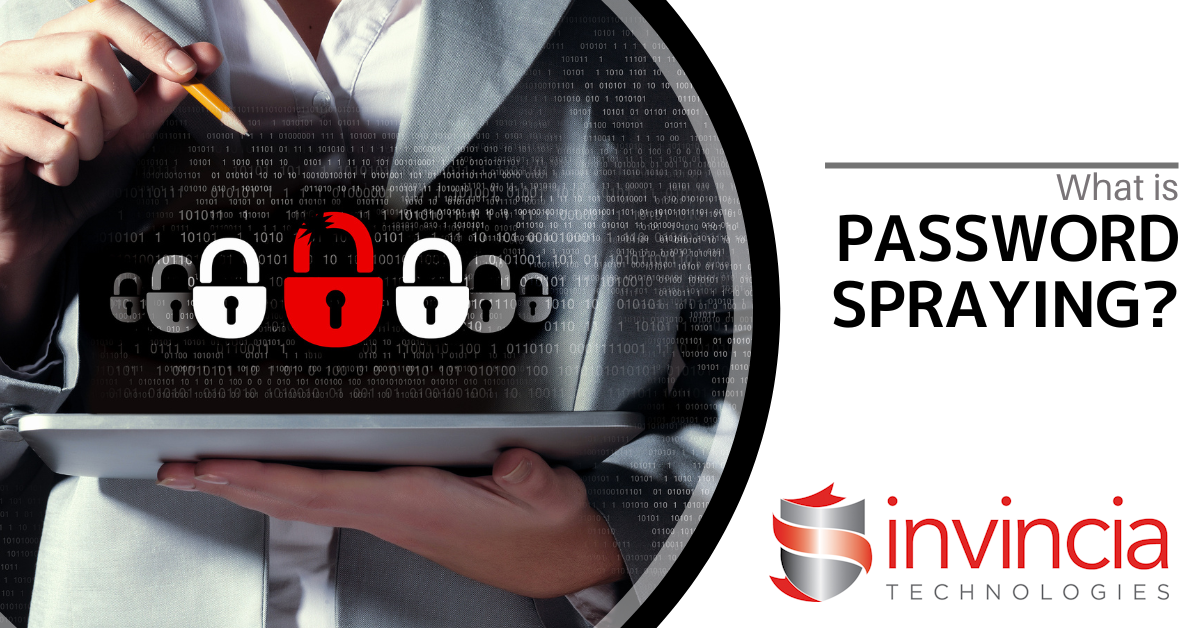
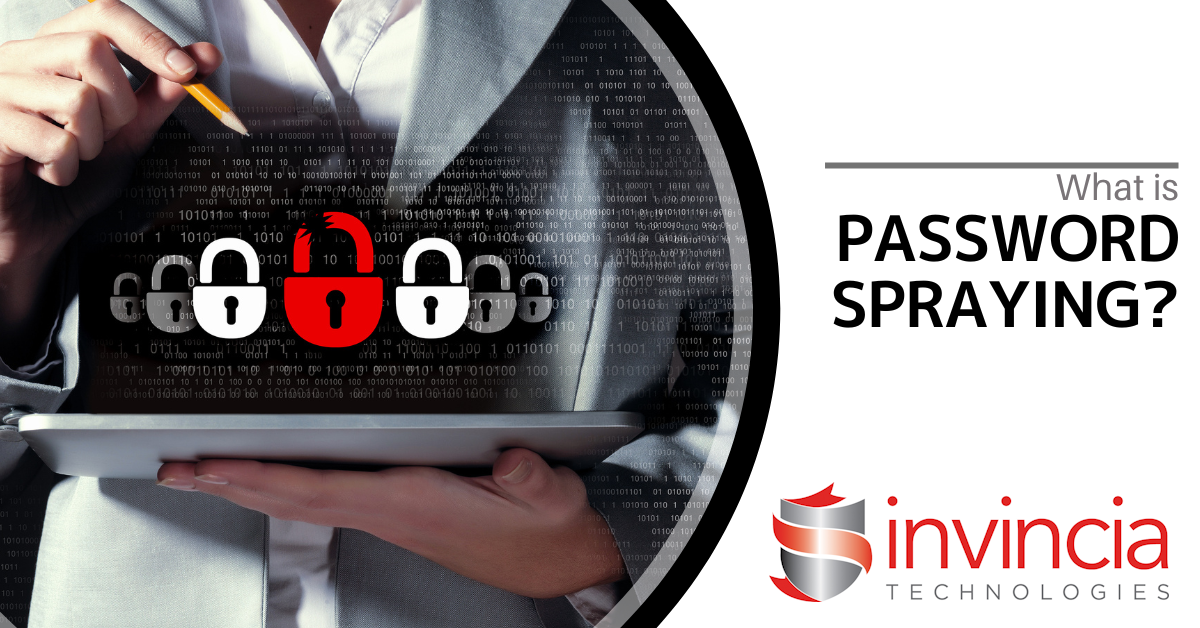
    What is Password Spraying?

    Understanding Password Spraying: A Stealthy Cyber Threat

    Cybercriminals constantly evolve their methods to bypass security defenses, and one particularly effective yet underestimated technique is password spraying. This type of attack exploits weak passwords across multiple accounts, avoiding detection while gaining unauthorized access. By using a single password across many usernames, attackers evade traditional security mechanisms such as account lockouts triggered by repeated failed logins.

    Password spraying targets the human vulnerability in cybersecurity—relying on the fact that many users still adopt weak or commonly used passwords. In this guide, we’ll explore how password spraying works, how it differs from other cyberattacks, and strategies for detection and prevention.

    What Is Password Spraying and How Does It Work?

    Password spraying is a brute-force attack that systematically attempts logins on multiple accounts using a single password rather than testing multiple passwords on a single account. This method allows attackers to bypass lockout policies, which typically disable accounts after too many failed login attempts.

    How Attackers Execute Password Spraying

    1. Gather usernames – Hackers collect usernames from public directories or previous data breaches.
    2. Use common passwords – Attackers test widely used passwords such as “123456” or “password” across all usernames.
    3. Automate login attempts – Bots execute repeated login attempts to identify successful matches without triggering security alerts.

    Instead of overwhelming a single account with password attempts—like traditional brute-force attacks—password spraying operates covertly, spreading attempts across many users.

    Attackers often leverage leaked credentials or company-specific patterns (e.g., using an organization’s name in passwords), increasing their success rate. Because password spraying generates low-frequency login failures, many cybersecurity systems fail to detect it in time.

    In the next section, we’ll compare password spraying to other types of cyberattacks.

    How Does Password Spraying Differ from Other Cyber Threats?

    Password spraying has distinct advantages over other cyberattack techniques, making it harder to detect than traditional brute-force methods.

    1. Brute-Force Attacks

    • Attempts multiple passwords on a single account.
    • Easily detected by lockout policies that trigger after repeated failures.
    • Requires significant computational power to guess passwords.

    2. Credential Stuffing

    • Uses leaked usernames and passwords from past breaches.
    • Relies on users reusing passwords across different platforms.
    • Less reliant on guesswork, but can be blocked by two-factor authentication (2FA).

    3. Password Spraying

    • Tests one password across many accounts, avoiding detection.
    • Often succeeds against enterprise networks, where users share weak passwords.
    • Does not trigger lockout policies, making it highly stealthy.

    Why Is Password Spraying Effective?

    Since login attempts appear low-risk, traditional security monitoring often fails to detect this type of attack. Without proactive monitoring for unusual login patterns, businesses can suffer undetected data breaches.

    Next, let’s explore detection and prevention strategies for password spraying attacks.

    How Can Organizations Detect and Prevent Password Spraying?

    Preventing password spraying requires vigilant monitoring, strong authentication policies, and user education.

    1. Strengthen Password Policies

    Organizations must enforce strong, unique passwords to prevent attackers from exploiting common, weak credentials. Recommended guidelines include:

    • Require passwords with at least 12–16 characters.
    • Ban common passwords like “password123” or “qwerty”.
    • Implement automated password expiration policies.
    • Use password managers to securely generate and store credentials.

    2. Implement Multi-Factor Authentication (MFA)

    Even if a hacker successfully guesses a password, MFA prevents unauthorized logins by requiring additional verification:

    • Authenticator apps (Google Authenticator, Authy)
    • Hardware security keys (YubiKey, FIDO2)
    • Biometric verification (fingerprint or facial recognition)

    MFA significantly reduces the likelihood of unauthorized access.

    3. Monitor Login Attempts for Suspicious Behavior

    Organizations should track authentication logs to detect anomalies, such as:

    • Multiple failed attempts from a single IP targeting different users.
    • Logins using common passwords across different accounts.
    • High-volume login activity during unusual hours.

    Deploying security analytics and intrusion detection systems can help identify attack patterns in real time.

    4. Conduct Regular Security Audits

    Routine security assessments help businesses identify weak points before attackers exploit them. Key steps include:

    • Reviewing authentication logs for patterns of failed logins.
    • Running penetration tests to simulate attacks.
    • Keeping security policies aligned with the latest threats.

    Next, we’ll explore additional proactive measures for minimizing risk.

    What Additional Security Measures Can Organizations Take?

    Beyond basic security policies, companies can leverage advanced defenses to reduce the likelihood of a password spraying attack.

    1. Strengthen Login Detection Mechanisms

    Security teams should flag login attempts where:

    • A single password is tried across multiple accounts.
    • Multiple accounts see failed logins from identical IPs.
    • A sudden spike in authentication failures occurs in a short time.

    2. Educate Employees on Security Awareness

    Users play a crucial role in cybersecurity—organizations should train staff to:

    • Avoid weak passwords and use MFA.
    • Recognize phishing attempts used to steal login credentials.
    • Report suspicious activity to IT security teams.

    3. Develop an Incident Response Plan

    Should an attack occur, businesses must act swiftly to contain breaches:

    • Lock compromised accounts and force password resets.
    • Alert affected users to secure their credentials.
    • Review security logs for traces of unauthorized access.

    By combining proactive monitoring, strong authentication, and employee education, organizations can significantly lower the risk of password spraying attacks.

    Protecting Against Password Spraying: The Next Steps

    Password spraying is a serious cybersecurity threat that targets weak credentials to bypass traditional defenses. Businesses must prioritize strong authentication policies, multi-factor security, and real-time monitoring to protect their systems.

    Key Takeaways for Organizations

    Require strong passwords and prevent password reuse. ✔ Implement multi-factor authentication across all accounts. ✔ Monitor login activity for unusual access patterns. ✔ Train employees on password security best practices. ✔ Conduct regular security audits to identify vulnerabilities.

    If you’re looking to enhance your cybersecurity strategy, our team provides expert guidance and solutions to safeguard digital assets against evolving cyber threats. Contact us today to learn how we can help secure your organization from password spraying and other cyberattacks.

  • How Do Websites Use My Data?

    How Do Websites Use My Data?

    Understanding User Data: How Websites Collect, Share, and Protect Information

    Websites collect and use user data in various ways, primarily to personalize content, display targeted ads, and improve user experience. This information can range from basic details—such as browser type and IP address—to sensitive data like names and credit card numbers.

    Being informed about how websites gather, utilize, and share data is crucial for maintaining digital privacy. In this article, we’ll explore how data collection works, best practices for sharing information responsibly, and why safeguarding personal data matters.

    What Is Data Collection on Websites?

    Data collection is a standard practice that allows websites to gather insights about their visitors. This occurs through multiple methods, including:

    • Cookies – Small files stored on a user’s device that track browsing activity.
    • User Interactions – Websites analyze clicks, scroll patterns, and form submissions to improve content relevance.

    Websites typically collect two types of information:

    1. First-party data – Directly obtained from the site itself (e.g., past purchases, browsing history).
    2. Third-party data – Sourced from external platforms, such as advertisers, which may include demographic insights and behavioral patterns.

    Some websites integrate tracking codes from platforms like Google and Facebook, allowing them to monitor internet activity and refine ad targeting strategies.

    While data collection enhances user experience, it also raises privacy concerns. Users should be aware of how their information is stored and shared, as transparency fosters trust between websites and their visitors.

    How Does Data Sharing Work?

    Data sharing refers to the practice of making collected data accessible to multiple parties. Businesses and institutions often share data through:

    • APIs (Application Programming Interfaces) – Facilitate real-time data exchanges between systems.
    • Cloud Services – Provide centralized storage solutions for seamless access.
    • File Transfer Protocol (FTP) – Secure methods for data transfers.

    Challenges in Data Sharing

    While data sharing offers valuable insights, it also poses privacy risks if not properly managed. Some key concerns include:

    • Data security vulnerabilities – Encryption and access controls are crucial to prevent unauthorized exposure.
    • Regulatory compliance – Laws like GDPR (General Data Protection Regulation) and CCPA (California Consumer Privacy Act) require transparency and user consent.
    • Ethical considerations – Data must be used responsibly, ensuring that individuals retain control over their information.

    Responsible data sharing demands strict governance policies and comprehensive records to safeguard user privacy.

    How Should Websites Manage User Data?

    Effective data management is essential for maintaining user trust and ensuring regulatory compliance. Websites should collect only necessary information and implement secure storage solutions.

    Best Practices for Data Management

    1. Transparency and Consent – Websites must clearly disclose data collection methods and allow users to opt in or opt out.
    2. Data Minimization – Gathering only essential data reduces risks and simplifies compliance.
    3. Secure Storage Solutions – Encryption of data both at rest and in transit prevents unauthorized access.
    4. User Control – Providing tools for users to edit, download, or delete their data fosters accountability.

    These measures ensure responsible data handling while protecting user privacy.

    Why Is Data Privacy Important?

    Data privacy is a fundamental right that allows individuals to control their personal information. Organizations must implement strategies to protect user data, including:

    • Employee training – Ensuring awareness of privacy laws and security practices.
    • Encryption – Safeguarding stored information from cyber threats.
    • Transparent policies – Clearly outlining how data is used, stored, and shared.

    Ensuring Compliance with Privacy Regulations

    Legal frameworks such as GDPR and CCPA impose penalties for non-compliance, making it crucial for organizations to:

    • Regularly update privacy policies
    • Conduct security audits
    • Maintain accurate records of data processing activities

    Building Trust Through Transparency

    Open communication about how personal data is used fosters trust and encourages responsible data practices. Users should have easy access to consent settings, allowing them to adjust privacy preferences.

    In the final section, we’ll explore proactive steps that individuals can take to protect their data online.

    How Can Users Protect Their Data?

    Individuals can enhance their digital privacy by using tools designed to block data tracking and prevent unauthorized access.

    Essential Data Protection Strategies

    • Privacy-Focused Browsers – Tools like Brave or Firefox limit data tracking.
    • Regular Security Audits – Reviewing privacy settings on social media platforms reduces exposure risks.
    • Cautious Online Behavior – Avoid sharing unnecessary personal information on public forums.

    Recommended Privacy Tools

    • VPNs (Virtual Private Networks) – Mask IP addresses and encrypt internet traffic.
    • Password Managers – Secure login credentials and prevent weak passwords.
    • Software Updates – Keeping apps and browsers up to date eliminates security vulnerabilities.

    Educating yourself on data privacy and security best practices empowers you to make smarter choices online.

    Take Action to Protect Your Data

    Understanding how websites collect and share user data is essential for maintaining privacy in a digital landscape. Whether you’re an individual or a business, prioritizing data protection and ethical sharing ensures a safer online environment.

    If you’re concerned about your digital footprint, we specialize in privacy solutions to help safeguard your personal information. Contact us today to learn more about securing your online presence.

  • The SMB Guide to Email Security

    The SMB Guide to Email Security

    Email is the most common attack vector for cybercriminals targeting small businesses. Phishing, business email compromise, malware — they all start in your inbox. Here’s your complete guide to email security.

    For the full article, visit invincia.com/blog/the-smb-guide-to-email-security.

  • 7 Unexpected Ways Hackers Can Access Your Account

    7 Unexpected Ways Hackers Can Access Your Account

    The digital age has brought incredible convenience, but it has also made it easier for hackers to exploit online vulnerabilities. As cybercriminals become more sophisticated, they continuously develop new techniques to infiltrate personal and business accounts. While weak passwords and phishing emails remain major threats, hackers also use lesser-known methods to gain unauthorized access. In this post, we’ll explore seven surprising ways hackers can compromise your accounts—and how you can protect yourself.

    What Are the Most Common Hacking Techniques?

    Hacking strategies have evolved over time, adapting to technological advancements and exploiting human psychology. While brute force attacks and other traditional methods are still in use, cybercriminals are constantly refining their approaches.

    One prevalent technique is social engineering, where hackers manipulate individuals into revealing sensitive information. Another common tactic, credential stuffing, leverages stolen login credentials from previous data breaches to gain access to multiple accounts. Additionally, AI-driven attacks allow hackers to craft convincing phishing campaigns or even bypass security systems.

    Understanding these foundational hacking methods is crucial, as they pave the way for more complex and unexpected security threats. In the next section, we’ll delve into the lesser-known techniques hackers use to infiltrate accounts.

    How Do Hackers Exploit Lesser-Known Vulnerabilities?

    Hackers often bypass obvious security weaknesses and instead target overlooked vulnerabilities. Below are some of the unexpected ways cybercriminals can gain access to your accounts:

    1. Cookie Hijacking

    Cookies store login session data, making it easier for users to stay logged in. However, hackers can steal these cookies through malicious links or unsecured networks, allowing them to impersonate users and bypass login credentials.

    2. SIM Swapping

    Many online services use mobile numbers for authentication. Hackers can initiate a SIM swap by convincing a mobile provider to transfer a victim’s number to a new SIM card, enabling them to intercept authentication codes and reset passwords.

    3. Deepfake Technology

    Advanced AI techniques now allow hackers to generate highly realistic deepfake audio and video impersonations. This technology is increasingly being used in social engineering attacks, where cybercriminals pose as trusted individuals to manipulate victims into revealing sensitive information.

    4. Third-Party App Exploitation

    Linked accounts with third-party applications can introduce security risks, as these apps often have weaker security protocols. Exploiting vulnerabilities in third-party software can provide hackers with backdoor access to main accounts.

    5. Port-Out Fraud

    Similar to SIM swapping, port-out fraud involves transferring a victim’s phone number to another provider without consent. Hackers then intercept calls and messages, including sensitive account recovery codes.

    6. Keylogging Malware

    Keyloggers secretly record every keystroke, allowing hackers to capture login credentials and confidential information without the user’s knowledge.

    7. AI-Powered Phishing

    Traditional phishing scams often have obvious red flags, such as poor grammar and suspicious links. However, AI-powered phishing campaigns generate highly convincing, personalized messages, making them much harder to detect.

    Next, we’ll discuss actionable ways to protect yourself from these cybersecurity threats.

    How Can You Protect Yourself from These Threats?

    Now that we’ve explored the unexpected ways hackers infiltrate accounts, let’s focus on preventative measures:

    1. Strengthen Your Authentication Methods

    Use strong, unique passwords and enable multi-factor authentication (MFA). Consider using app-based authenticators or hardware security keys for additional protection beyond SMS-based MFA.

    2. Regularly Monitor Account Activity

    Enable notifications for suspicious logins or changes to your accounts. Stay vigilant and report any unauthorized activity immediately.

    3. Avoid Public Wi-Fi Networks

    Hackers often exploit unsecured public Wi-Fi to intercept sensitive data. Always use a virtual private network (VPN) when connecting to public networks.

    4. Review Third-Party App Permissions

    Only link accounts to reputable third-party apps and periodically review their permissions. Remove access from apps you no longer use.

    5. Stay Educated About Phishing Scams

    Learn to recognize phishing attempts by scrutinizing email addresses and avoiding unfamiliar links. If unsure, verify the sender’s identity through official channels.

    In the following section, we’ll cover additional cybersecurity measures to further protect your digital identity.

    What Additional Cybersecurity Measures Should You Take?

    Beyond addressing specific hacking techniques, adopting a proactive approach to cybersecurity enhances overall digital safety. Here are some key recommendations:

    1. Keep Software Updated

    Hackers frequently target outdated software with known security flaws. Ensure all devices and applications receive regular updates and security patches.

    2. Back Up Your Data

    Implement the 3-2-1 backup rule: keep three copies of your data on two different storage media, with one copy stored offsite. This precaution safeguards against ransomware attacks and data loss.

    3. Use Encrypted Communication Tools

    For sensitive discussions, use encrypted messaging platforms that prevent unauthorized access to your communications.

    4. Invest in Cybersecurity Training

    Whether for personal use or workplace security, continuous education on emerging threats is invaluable. Staying informed helps you recognize potential risks before they escalate.

    By incorporating these cybersecurity strategies alongside protections against lesser-known hacking methods, you’ll significantly reduce your risk of falling victim to cyberattacks. In the final section, we’ll outline simple steps you can take today.

    Secure Your Digital Life Today

    Cybersecurity is no longer optional—it’s a necessity in today’s interconnected world. As hackers continue refining their strategies, staying informed and proactive is the best defense.

  • New Gmail Threats Targeting Users in 2025 (and How to Stay Safe)

    New Gmail Threats Targeting Users in 2025 (and How to Stay Safe)

    Cybercriminals frequently target Gmail due to its popularity and integration with various Google services. As AI-powered hacking attacks become more prevalent, distinguishing between genuine and fake emails is increasingly challenging. With 2025 approaching, it’s crucial for Gmail users to be aware of these new threats and take steps to secure their accounts. In this post, we’ll discuss the emerging threats Gmail users face in 2025 and provide tips on how to stay safe.

    What Are the New Threats to Gmail in 2025?

    Cyber threats are constantly evolving, and some of the most sophisticated attempts have been aimed at Gmail. One major concern is the use of Artificial Intelligence (AI) to create scam emails that appear very real. These emails mimic legitimate ones, making them difficult to spot. AI is also being used to create deepfakes and viruses, further complicating security.

    Gmail’s deep integration with other Google services means that if someone gains access to a user’s Gmail account, they might be able to access all of their digital assets, including Google Drive, Google Pay, and saved passwords. This makes securing Gmail accounts even more critical.

    When hackers use AI in phishing attacks, they can analyze how people communicate, helping them craft emails that look almost identical to real ones. This level of sophistication has made phishing efforts much more likely to succeed, with nearly half of all phishing attempts now utilizing AI technology.

    Gmail continually updates its security, so users need to be adaptable to stay safe. We’ll delve into the specifics of these threats and explore how they work in the next section. Cyber threats are always changing, and Gmail users must stay vigilant to protect themselves. Next, we will explore what these threats mean for Gmail users and how they can impact both individuals and businesses.

    What Do These Threats Mean for Gmail Users?

    Gmail users are particularly concerned about phishing scams that utilize AI. These attacks analyze and mimic the communication styles of trusted sources, such as banks or Google, making it difficult for people to identify fake emails because they often appear real and personalized.

    Deepfakes and AI-generated malware are also becoming more prevalent. Deepfakes can create fake audio or video messages that appear to come from people you know and trust, complicating security further. AI-generated malware is designed to evade detection by regular security tools.

    Effects on Individuals and Businesses

    Identity theft and financial fraud are significant risks for individuals using Gmail. However, these threats extend beyond individual users, as businesses are also at risk. Compromised Gmail accounts can lead to data breaches and operational disruptions.

    To stay safe, users need to be aware of these risks and take proactive steps to protect themselves. The impact of these threats on both individuals and businesses underscores the importance of security. Next, we will explore other dangers that Gmail users should be aware of.

    What Are Some Other Dangers That Gmail Users Should Know About?

    AI-powered hacking isn’t the only new threat that Gmail users should be aware of. Zero-day exploits are increasingly being used to attack users, exploiting previously unknown security vulnerabilities in Gmail. This allows attackers to bypass traditional security measures and access accounts without permission before Google can address the issue.

    Quantum computing also poses a significant threat to current encryption methods. As quantum computing advances, it may become possible to break complex passwords and encryption keys, making it easier for hackers to access Gmail accounts. Users can implement strong passwords, enable two-factor authentication, and regularly check account settings for suspicious activity. Next, we will explore how to keep your Gmail account safe.

    How Can I Keep My Gmail Account Safe?

    Despite the numerous security threats facing Gmail users, there are steps you can take to stay safe. Here are several measures to protect your Gmail account from these threats:

    Strengthen Your Password

    Using a strong, unique password is crucial. Avoid common patterns and ensure the password is not used for more than one account. A password generator can help create strong passwords and keep them secure.

    Enable Two-Step Verification

    Two-factor authentication provides an additional layer of security by requiring a second form of verification, such as a code sent to your phone or a physical security key. This makes it much harder for attackers to access your account.

    Monitor Third-Party Access

    Regularly check which apps and services have access to your Gmail account and remove any access that is no longer needed.

    Use Gmail’s Advanced Protection Program

    Google’s Advanced Protection Program offers extra protection against scams and malware. It includes two-factor authentication and physical security keys, and thoroughly scrutinizes file downloads and app installations. By following these steps, Gmail users can significantly reduce their risk of falling victim to these threats.

    Keep Your Gmail Account Safe

    As we’ve discussed, the threats to Gmail users are real and evolving. Users can protect themselves by staying informed and implementing robust security measures. Stay vigilant and be prepared to address new challenges as they arise.

    Staying up-to-date on the latest security practices and best practices is essential to keep your Gmail account safe. In today’s cyber world, it’s crucial for both individuals and businesses to protect their digital assets. If you’re concerned about keeping your Gmail account safe or need more help avoiding these threats, don’t hesitate to reach out. Our team is here to help you stay safe online as the world of hacking continues to evolve.

  • 5 Common Cyber Threats in 2025 (and How To Avoid Them)

    5 Common Cyber Threats in 2025 (and How To Avoid Them)

    Understanding Cyber Threats in 2025: Protecting Yourself in a Digital World

    In 2025, cyber threats are present at every turn, targeting individuals and businesses alike. These threats may seek to steal sensitive data, damage systems, or demand money. Understanding these threats and learning how to protect yourself is crucial for maintaining safety in the digital landscape.

    What Are the Most Common Cyber Threats?

    Cyber threats come in various forms, both familiar and new. Some of the most common ones include:

    Phishing Attacks

    Phishing attacks remain one of the most widespread threats. They often involve fraudulent emails or fake websites designed to trick you into revealing personal information. Always verify the sender’s email address and avoid clicking on suspicious links or attachments.

    Ransomware

    Ransomware can lock you out of your files, demanding a ransom to regain access. These attacks often spread through email attachments or unsafe downloads. Protect yourself by keeping your software up to date and regularly backing up your data.

    Malware

    Malware is malicious software designed to damage your computer, steal data, or spy on your activities. To defend against malware, use antivirus software and avoid downloading files from untrusted sources.

    How Can You Protect Yourself Online?

    Staying safe online requires proactive measures. Here are a few essential steps to protect your digital life:

    Use Strong Passwords

    Create strong, unique passwords for each of your accounts. A robust password includes a mix of letters, numbers, and symbols. Be sure to change your passwords regularly.

    Enable Two-Factor Authentication

    Two-factor authentication adds an extra layer of protection. With it, you’ll need to provide additional verification—such as a code sent to your phone—when logging in. Activate two-factor authentication wherever possible.

    Be Careful with Public Wi-Fi

    Public Wi-Fi networks are not secure and can expose your data to hackers. Always use a VPN (Virtual Private Network) when connecting to public Wi-Fi to safeguard your information.

    Why is Cybersecurity Important for Everyone?

    Cybersecurity is not just for large organizations; it is vital for individuals as well. Everyone should be aware of cyber threats and know how to protect themselves.

    Protect Personal Information

    Your personal data has value and can be exploited by cybercriminals for identity theft or fraud. Be cautious about what you share online and who you share it with.

    Secure Financial Transactions

    Online banking and shopping are convenient, but they carry risks if not conducted securely. Always use secure websites and monitor your accounts for suspicious activity to protect your financial information.

    What Should You Do If You Are a Victim of a Cyber Attack?

    Even with the best precautions, you may still fall victim to a cyber attack. If that happens, knowing what steps to take can help minimize the damage.

    Report the Incident

    Report any cyber attack to the relevant authorities immediately. This can assist in investigations and help reduce the impact of the attack.

    Change Your Passwords

    If you suspect a breach, change your passwords for all affected accounts right away to prevent unauthorized access.

    How Will Cyber Threats Evolve in the Future?

    As technology continues to evolve, so do cyber threats. Staying informed about emerging threats is key to protecting yourself.

    AI-Powered Attacks

    Cybercriminals are increasingly using artificial intelligence to carry out more targeted and sophisticated attacks. AI allows them to identify the best victims and craft more convincing scams.

    Internet of Things (IoT) Vulnerabilities

    With the growing number of connected devices, the Internet of Things (IoT) has become a prime target for hackers. Ensure that all your IoT devices are secured with the latest security updates to prevent vulnerabilities.

    Stay Safe Online: Contact Us for More Tips!

    Cyber threats are on the rise, and protecting yourself online has never been more important. To learn more about staying secure in the digital world, contact us today. We’re here to help you navigate the evolving cybersecurity landscape and keep your online life safe.

  • The SMB Guide to Email Authentication

    The SMB Guide to Email Authentication

    Email authentication protocols — SPF, DKIM, and DMARC — are essential tools for protecting your business from email spoofing and phishing attacks. Here’s your complete guide to email authentication.

    For the full article, visit invincia.com/blog/the-smb-guide-to-email-authentication.